
Anime Shop Simulator Events
Autograph signings, TCG tournaments, and festivals: popularity spikes that only work if the floor stays staffed.
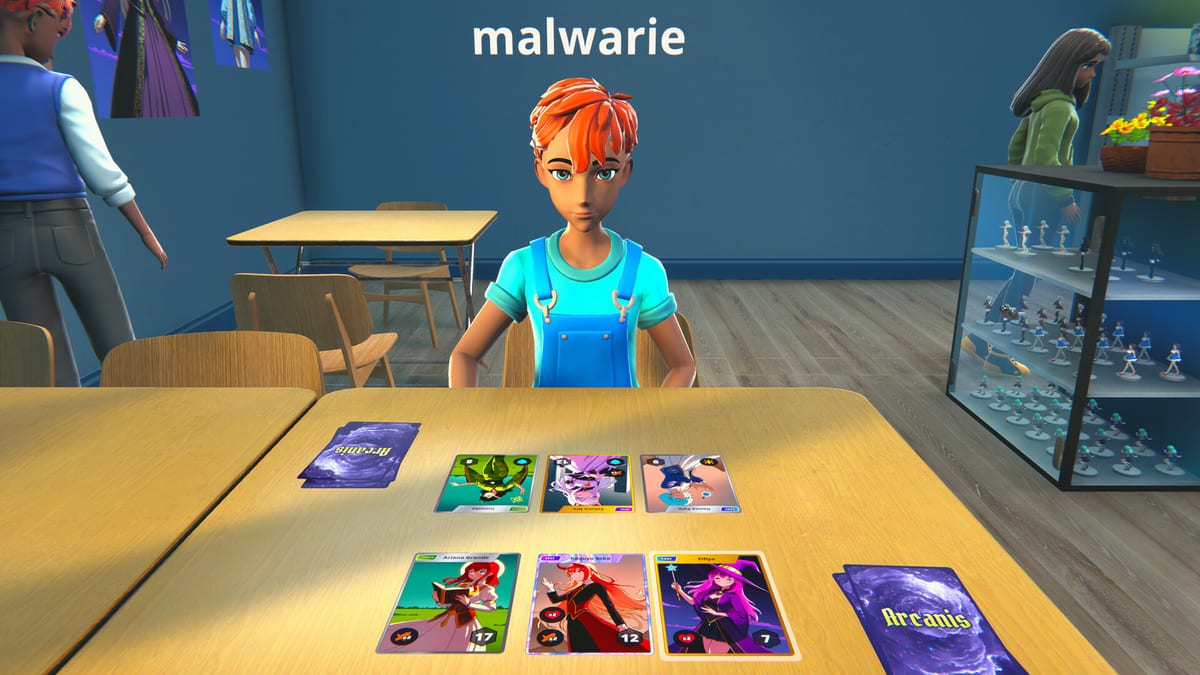
Events are how an anime shop stops being a quiet aisle and starts being a destination. One More Time’s feature list is specific: host autograph signings and trading card tournaments, ride festivals, and grow popularity while you still have to scan manga. The 11 September 2026 release is where that calendar should fully land. The February 2026 demo is a shop-shift slice — do not assume every event type is unlocked in app 3444070. Use demo notes before you spend an evening hunting a signing NPC that is still 1.0-only.
When an event is available, it is not free money. It is a labor tax with a popularity bonus. This page is the staffing math.
Why events exist
A specialty store cannot live on walk-in forever. Signings and tournaments do four things in the design:
- Pull extra bodies through the door on a timer.
- Spike SKU demand — posters, the guest’s series, sealed packs, cheap impulse.
- Advertise the shop via a popularity / trend layer (stay in tune with the “season,” as the announcement press put it).
- Give co-op players a fourth job so player four is not a decorative cashier.
If you trigger an event with empty facings, you have paid for a crowd that will stare at drywall. Restock first. Price second. Event third. That order is the same as Getting Started, just louder.
Autograph signings
Signings are the “voice actor / character visit” beat from the pitch. In fiction they are a table, a line, and a guest of honor. In the sim they should be a controlled queue that does not strangle the register queue.
Setup checklist:
- Place the signing off the inbound aisle. The flex rectangle in shop layout exists for this.
- Face the table so the line runs along a wall, not across the manga run.
- Stock the related fictional IP — volumes, figures, maybe a poster — within one turn of the line. If you do not own that license yet, skip the signing.
- Put impulse cheap at the end of the signing line so people who will not buy a statue still buy a pin.
- Assign a handler (events player) who is not also the only cashier.
During the event, the handler’s job is crowd flow and the guest NPC, not unboxing. The restock player feeds whatever SKU is evaporating. The floor player watches for special clients who show up because popularity ticked. If an ID check fires on age-gated merch in the same hour, do not make the celebrity line the place you learn the prompt — park restricted SKUs away from the signing camera.
When the timer ends, break the table down or you will keep a permanent bottleneck. Popularity you gained is useless if tomorrow’s regulars cannot reach the till.
TCG tournaments
Tournaments plug the TCG cards minigame into the shop calendar. You are not only selling packs; you are selling a reason to stand in your building.
Do this before you announce a bracket:
- A table cluster that is not the checkout.
- Sealed product on a nearby low bay. Tournament nights eat boosters. If you ripped them all for your personal binder, you are the villain.
- Sleeves, pins, and keychains as side goods if those licenses are live.
- A judge / events player who understands the minigame enough to start matches and bounce idle bodies back to browsing.
- A cashier who will not leave the drawer to “just play one round.”
House rule for co-op: two can duel, two must remain a store, unless it is closing time. Solo players should treat a tournament as a short timed mode, not an AFK. If the demo’s table is placeable but the full bracket tools are missing, play friendlies and wait for 1.0 rather than inventing a tournament UI that is not there.
Prize economy, if the game gives you one, should not be “every ultra in the case.” Put a duplicate rare up, not the only copy that makes your display make sense.
Festivals and popularity
Festival language on the store page is broader than signings: stay in tune with dynamic anime-industry trends, enlarge the shop, upgrade decor, remain competitive. Read that as a seasonal demand layer. When a fictional series is “hot,” the correct response is:
- License it if the till can fill a facing.
- Move that IP to the door or an endcap.
- Raise price only after you see sell-through — festival hype is how people overcharge and then eat dead stock when the week ends.
- Decorate that corner, not the whole store, so you can tear it down without a renovation.
Popularity is a multiplier, not a product. It dies if the path is blocked, if the music loop is the only thing happening, or if guests cannot check out. A festival weekend with one overwhelmed cashier is a negative review in motion — even in a fictional shop.
Track which customer types show up on spike days on the customers tier list once the wiki has demo samples. Until then, watch with your eyes: if the new crowd only wants cards, stop restocking apparel during the window.
Staffing the floor during an event
Copy this split; it matches the four-player pitch (register / restock / events / floor):
| Role | Event job | Failure mode |
|---|---|---|
| Register | Eat the longer queue, ID checks, no duels | Walking off to watch the signing |
| Restock | Feed the SKU the event is killing | Unboxing instead of filling holes |
| Events | Table, timer, guest NPC, bracket | Standing in the aisle “hosting” |
| Floor | Pathing, trash, special clients, impulse | Decorating mid-rush |
Two-player version: P1 register + ID, P2 restock + event setup. Skip running a tournament and a signing on the same hour until you have three bodies.
Solo version: pre-stock to overflowing, start the smallest event, stay at the till, restock only the event SKU, cancel or ignore anything that needs a second table. The demo’s lack of hired staff makes this brutal; that is not you being bad at the game.
Save before you start a timed event (demo save anytime). If the crowd is a disaster, reload and restock.
Special clients and ID checks
Events raise the chance you will meet the weird ones: bulk buyers, VIPs, people who want restricted merch. The press kit called out ID checks for age-restricted content as a service challenge. Dakimakura and similar SKUs should not live on the signing table. Put them on a visible but controlled fixture, and let the register owner own the prompt.
If a special client needs a long interaction, the floor player should peel them out of the event line. A VIP stuck behind a festival queue is how popularity and service slap each other. Details belong on special clients and co-op roles.
Events are the late-game reason this is not only TCG Card Shop Simulator with posters. Run them like extra opening hours, not like a cutscene. When 1.0 lands on 11 September 2026, the shops that survive Saturdays will be the ones that kept a walkable aisle while the celebrity was in the building.
Frequently Asked Questions
Quick answers for demo players and launch-day shopkeepers.
Are autograph signings in the Anime Shop Simulator demo?
Treat full signings, tournaments, and festivals as launch-pitch systems. The demo is a shop-shift slice. Confirm current unlocks on demo notes before you plan a signing night.
Where should I place a signing table?
Off the inbound path to the register, on a flex rectangle you kept empty. Layout diagrams and path rules are in shop layout.
How do TCG tournaments interact with booster sales?
They eat sealed product. Stock a low card bay before you start, and do not rip the last facing for your binder. See TCG cards.
Can I run events solo?
Small ones, if you pre-stock and stay on the till. Big signings plus a tournament need extra bodies. Online co-op exists so player three can be the events lead.
Do events replace normal restocking?
No. They multiply demand. Empty shelves during a popularity spike waste the event. Restock the featured IP first, then everything else.
What about ID checks during a festival rush?
Keep age-gated merch off the event table and let the cashier own the prompt. Special clients cover the longer interactions.