
Anime Shop Simulator Who actually pays
S-F for browsers, collectors, event fans, age-restricted buyers, and PvP table players.
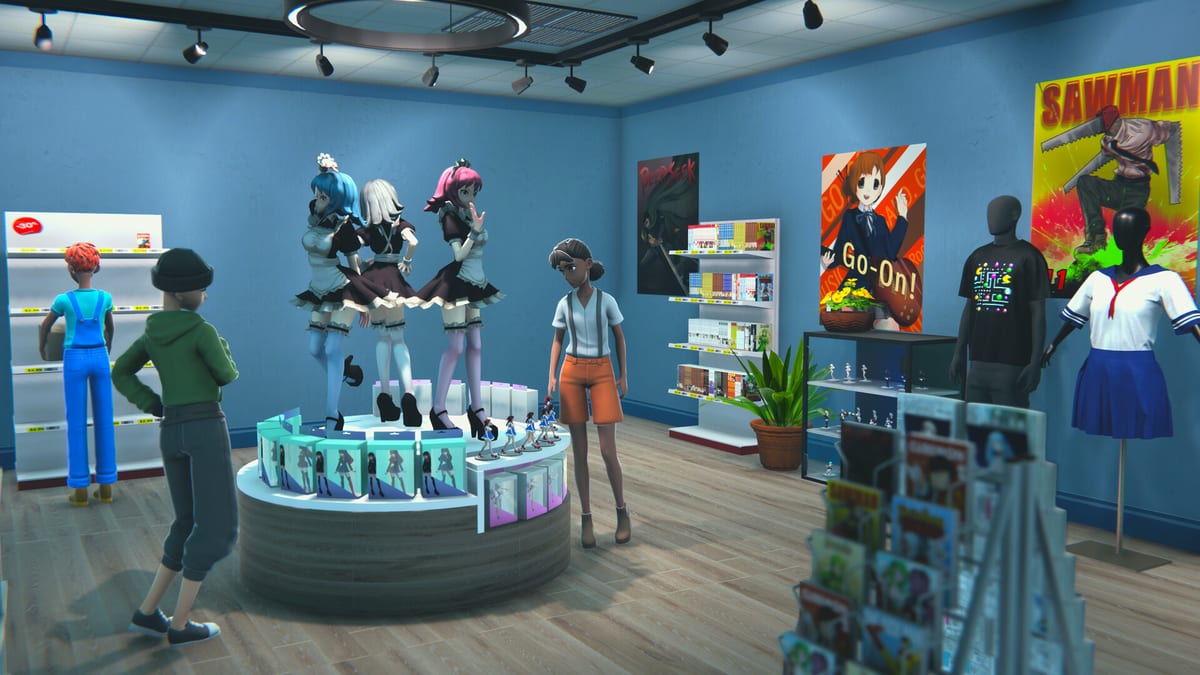
Product ranks tell you what to order. This page ranks who those orders are for. Anime Shop Simulator is a first-person shop floor, not a silent spreadsheet: people browse, stall, queue, flash an ID, or sit down to play cards. The Steam demo already sends a stream of generic shoppers through a small boutique. Studio copy for the full game, still upcoming on 11 September 2026, adds unique situations, autograph signings, TCG tournaments, and visitors who will not all behave. These letters are provisional and should be read next to product rankings and the tier list hub.
For named service challenges and ID flow, use special clients. For how four humans cover the same floor, use co-op roles. This list is about archetypes — patterns you can staff against even when the NPC names are parody titles.
S — Collectors
Collectors are the reason figures and complete manga runs exist. They walk with intent, they notice holes in a series, and they will add a high ticket if the case is lit and uncluttered. In demo sessions the “good” receipts are mixed baskets: a volume, a pack, a sculpt. That is collector behavior even when the NPC has no speech line.
Serve them with completeness, not with noise. Face the same series together. Keep a figure sightline from the door. Do not hide singles behind a pillow rack. If you play online co-op, one teammate can act as floor host: restock the hole the collector is staring at before they leave. Collectors also forgive slightly higher tags if the shop looks curated; still start near defaults per the pricing playbook until you have proof.
A — Event fans
Event fans are quiet on a Tuesday and loud when you host an autograph signing or a trading-card tournament. Steam lists both event types as drawing devices. They are A-tier because you cannot live on them in the first hour, but you cannot ignore them once the shop can spare a table.
Prep is the whole rank. A signing without a queue lane is a register crash. A tournament without closed packs in arm’s reach is a wasted furniture piece. Read events before you buy the extra chairs. Event fans also buy apparel and pins as souvenirs; those SKUs sit mid-tier on the product list until a festival day temporarily promotes them.
A — Age-restricted buyers
Some merch — dakimakura and anything the shop treats as mature — should not be a silent scan. Age-restricted buyers are valuable because the ticket is large, and they are expensive because someone has to stop and check ID. If you skip that pause, you are not playing the service challenge; you are begging for a failed interaction the studio has already teased with “not all visitors will be on their best behavior.”
Staff this archetype on purpose. Put mature displays in a staffed bay. Bind the check to the cashier role in co-op so two people do not wave the same customer through. Details live on special clients. The letter is A, not S, because a new demo shop that leads with pillows will stall cash and clog the till with checks it cannot process yet.
B — Browsers
Browsers fill the room. They pick up a volume, put it back, wander the figure case, and sometimes leave with a keychain. Demo criticism that customers feel stiff is really a browser complaint: lots of bodies, not a lot of dialogue. They are still useful. A busy-looking floor sells to collectors, and browsers are the bodies.
Design for them with sightlines and a short path to the till, not with speeches you do not have. Keep manga at hand height. Keep the register visible. If browsers stall in a choke point, you lose collectors behind them — that is a layout bug, not a “need more SKUs” bug. Do not discount the whole shop to convert every browser; convert a fraction and keep walking.
B — Co-op PvP players
This archetype is half NPC and half your friends. Steam advertises a PvP TCG: crack packs, keep cards, fight. When a human squad uses the shop as a clubhouse, pack velocity jumps and the play table becomes a department. That is great for A-tier packs and dangerous for the register if all four players sit down to duel.
Rank these players as B for the business because they consume staff time. The fix is a role split from co-op roles: one person remains cashier while others duel between restocks. NPC customers who came to play should find packs, a clear table, and a path that does not block manga. If PvP is the only reason you opened the shop, you are running a card cafe; stock like one, and read TCG cards.
C — Impulse-only passers
Some visitors only exist to test whether the till-zone bowl is stocked. They will not wait for a restock trip. They will not pass an ID check. Pins, keychains, and a single cheap volume are enough. Do not build a festival for them.
F — Unstaffed queues and ignored checks
F-tier is again a pattern: letting a queue wrap into the door, skipping ID on a mature SKU, or abandoning the register to duel while browsers stall. The demo’s checkout complaints (audio, pace) make this worse; you cannot afford extra chaos on top of a fiddly till. Demo notes cover those bugs. Your job is not to wait for a patch before you staff the line.
Matching archetypes to merch
- Collectors → figures, complete manga, singles.
- Event fans → packs, apparel, pins on festival days.
- Age-restricted buyers → dakimakura behind a check.
- Browsers → readable manga wall, clear till.
- PvP players → closed packs + table, with a cashier still on duty.
The players hub is the roster view of the same people. This page is the ranking view. Use both, then watch who actually reaches the register, not who walks in first.
Frequently Asked Questions
Quick answers for demo players and launch-day shopkeepers.
Who should I design the first-hour shop for?
Collectors and browsers. Stock manga and a small figure cluster from the product rankings, then keep the till visible.
When do event fans matter?
Once you can host a signing or tournament without crashing the queue. Read events before you buy furniture for them.
How are age-restricted buyers different from special clients?
They overlap. This page ranks the archetype. Special clients covers ID checks and service challenges in more depth.
Do co-op friends count as customers?
They count as load. If your squad duels all shift, pack sales may rise while the register dies. Split jobs with co-op roles.
Why are browsers only B-tier?
They fill the floor but convert weakly. You still need them for atmosphere and impulse, but you do not rebuild the shop around every wanderer.
Is this list final for launch?
No. Unique clients and events should expand after 11 September 2026. Until then, treat the letters as demo guidance.