
Anime Shop Simulator Merch lines ranked for early shops
Provisional S-F for manga, figures, packs, apparel, dakimakura, pins, and keychains.
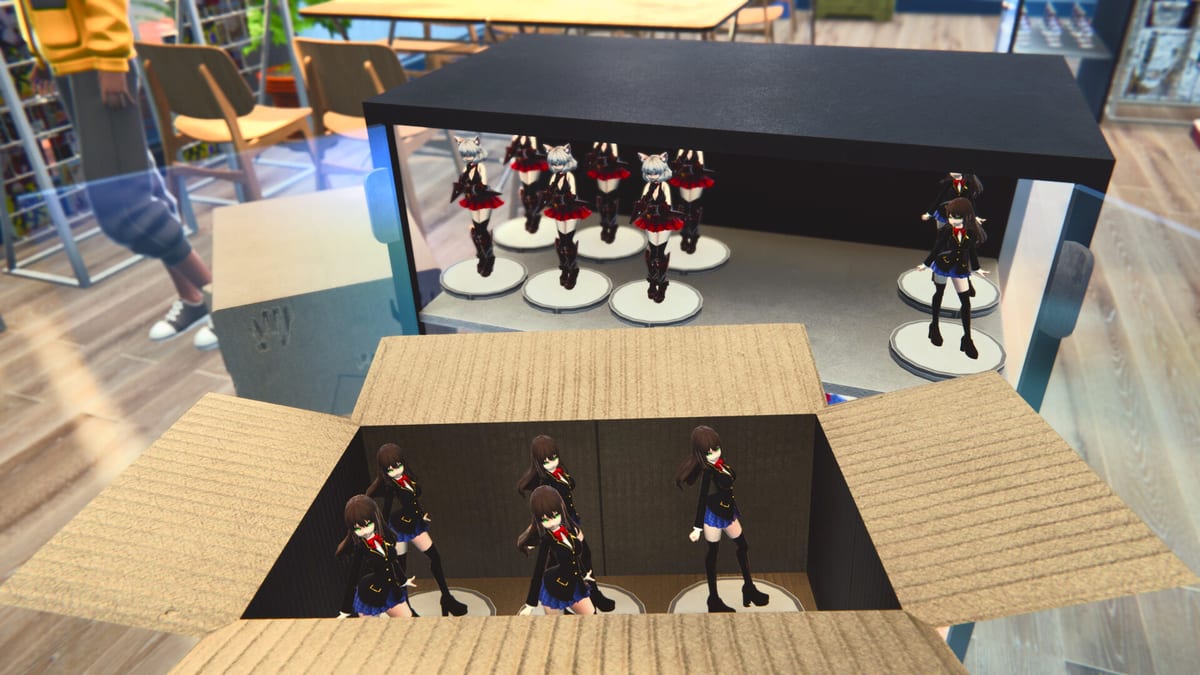
This page ranks product categories, not individual ISBNs. Anime Shop Simulator sells an otaku mix: manga, figures, collectible cards, apparel, dakimakura, pins, and keychains. The Steam demo that has been playable since 19 February 2026 leans hardest on manga, figures, and cards. Wider merch is part of the shop fantasy the studio is building toward the 11 September 2026 Windows launch. Treat every letter below as provisional. If a crate is thin in the demo, the note says so.
Use this list with the customer rankings and the parent tier list hub. A product that looks S-tier on a spreadsheet still fails if the wrong visitor type never sees it. For shelf geometry, jump to shop layout. For pack cracking and PvP, keep TCG cards open in another tab.
S — Manga volumes
Manga is the cash engine of an early shop. Volumes are cheap to restock relative to figures, they fill a wall fast, and browsers will pick one up without a speech. Demo playtests and first-look videos keep coming back to the same beat: you run out of a popular title, the floor looks empty, and the register slows. That is a good problem. It means the SKU turns.
Keep two faces out when you can: a current “hot” title and a complete-looking run so collectors do not bounce. Price near the default tag on day one; the pricing playbook is explicit about small increments only after you watch sell-through. Manga also teaches licenses. Demo players have pointed at series gates (parody names in the current build) before they can order more. Buy the license that restocks the wall you already sell, not a vanity title you want on the wallpaper.
A — Booster packs and TCG boxes
Packs are the swing category. Sold closed, they are a high-velocity impulse item, especially if you park them by the till or beside a play table. Cracked open, they become a collection minigame and a PvP fuel line. Steam copy is blunt: unbox boosters, sell rares, or keep them, then fight in a PvP TCG. That loop is why packs sit in A instead of S.
The risk is inventory narcissism. If you open every box “for the shop binder,” you convert wholesale cash into unsold singles while the register waits. In four-player co-op, put one person on pack discipline: a crate budget, a crack budget, and a “sell closed” rule for the first hour. Event days with tournaments can bump packs toward S for an afternoon. Dead boxes after a quiet Tuesday drop them toward B.
A — Figures (high ticket, slower)
Figures print bigger receipts and they photograph well on a pedestal, which matters because this is a first-person shop you will stare at. They do not turn as fast as manga. Over-ordering a single sculpt ties cash to one shelf cube. Put figures in a sightline from the door so collectors can lock on, but do not let them eat the entire opening budget.
Demo footage shows small figure clusters selling in mixed baskets with cards. That is the pattern to copy: one hero sculpt, a few cheaper pieces, empty space so the case does not look like a warehouse. If special clients start asking for exclusive sculpts at launch, this line can climb. Until those visitors are common, figures stay a strong A: worth stocking, dangerous to spam.
B — Apparel
Apparel (shirts, related wear) is a launch-leaning line. It needs hang space or folded cubes, and it shines when event fans show up for a signing. In a tiny demo boutique, cloth competes with manga for wall. Stock a small, visible rack if the build lets you; do not build a closet.
Price apparel as a souvenir, not as a supermarket staple. If a shirt sits through two busy cycles, discount once, then stop ordering that print. Apparel also pairs with shop identity: custom wallpaper and a shop name are already listed as customization on Steam. A themed rack that matches the walls will outsell a random pile even if the SKU count is identical.
C — Pins and keychains
Pins and keychains are impulse merch. They belong in a bowl or pegboard the cashier can see, not in the back aisle. Margins can look pretty because unit cost is low, but they will not save a shop that botched manga restock. Think of them as the extra that lands on a receipt after a volume and a pack, not as the plan.
They are also the easiest line to over-display. A forest of pegs reads as clutter in first person and hides the figure case. One dense square near checkout beats three sparse racks. If a browser stalls at the till, pins give them something to add without a new decision tree.
C — Dakimakura (high price, high friction)
Dakimakura (body pillows) are the identity merch of an anime shop and the operational headache. They take floor area, they signal “this store goes further than volumes,” and they invite age-restricted buyers who should pass an ID check. For a brand-new demo shop they are not the first crate.
When you do stock them, put them in a dedicated bay that is visible to staff and not in the kid sightline from the door. That is a layout problem as much as a ranking problem; see shop layout. A successful pillow sale can out-earn a stack of volumes, so the letter is C for early shops, not a moral rank. After you have a cash buffer and a cashier who can pause for ID, this line can move to B on event nights.
F — Vanity orders and ignored licenses
F-tier is a behavior, not a barcode. Ordering a full case of a sculpt nobody browsed, cracking every pack, skipping the manga license that actually sells, or filling the room with pillows before you can staff an ID check will stall the demo loop. The getting started guide and demo walkthrough both assume you buy what the last hour sold.
How to use the letters on an order screen
- Fill manga holes first (S).
- Add a closed-pack facing and a small figure cluster (A).
- Leave a cash buffer — see pricing — before apparel or pillows.
- Drop pins/keychains in the till zone (C) only after the wall looks complete.
- Re-rank after an event day; tournaments and signings temporarily promote packs and apparel.
Keep a paper note of which SKUs sat overnight; that note beats any pre-launch spreadsheet when the full catalog opens.
Frequently Asked Questions
Quick answers for demo players and launch-day shopkeepers.
Why is manga S-tier instead of figures?
Volumes turn faster and refill a wall without tying your cash to one sculpt. Figures are high ticket but slower; they sit in A on this provisional list.
Should I open booster packs or sell them closed?
Sell most closed in the first hour. Crack a small budget if you are building a binder or feeding PvP. Opening every box is how A-tier becomes a cash trap.
Are dakimakura in the demo?
The demo slice emphasizes manga, figures, and cards. Pillows are part of the wider merch set for the shop. Rank them as high-friction launch stock, not as a day-one crate.
Where do pins and keychains go on the floor?
In a small till-zone display. See shop layout. They are C-tier impulse, not a room-scale plan.
How does this list relate to customer types?
Cross-check customer rankings. Collectors lift figures; event fans lift apparel and packs; ID-check buyers lift dakimakura.
Will these letters change at launch?
Yes. This is demo-based. After 11 September 2026 we will rebuild the table from full-catalog play, not from trailer merch shots.